
Epoxy Flooring for Residential Kitchens in Quebec City
September 2, 2026 · 3 min read
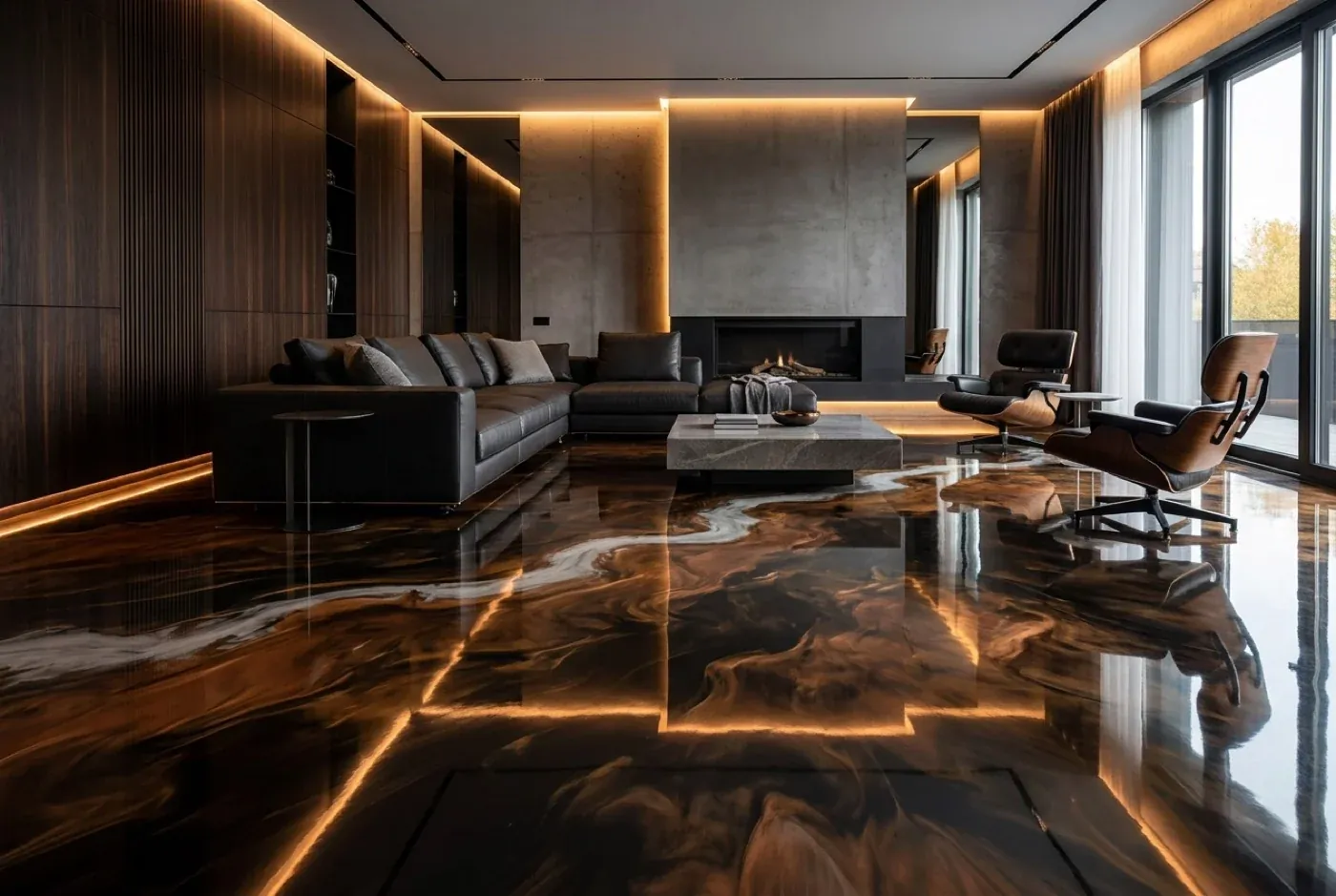
A kitchen epoxy floor offers a non-porous surface that's easy to clean and resistant to oil, grease and moisture stains, unlike bare concrete or ceramic grout that absorb liquids over time. Properly prepared and installed with the right finish, it lasts for years without cracking or peeling. What makes the price vary is the condition of the starting surface, the square footage and the finish you choose.
Why epoxy works so well in a kitchen
A kitchen means water running, oil splattering, and acidic foods hitting the floor. Classic tile has grout lines that eventually turn dark, and the grout itself soaks up everything that seeps into it. An epoxy floor forms a continuous, seamless surface where liquids stay on top just long enough for you to run the mop over them. That's what makes the difference in a room where you cook, spill, and clean constantly.
Kitchens are also classified among the surfaces where slip risk from oils and grease is higher than in an ordinary room, based on standards used in the flooring industry. That's why we adjust the final finish, with or without slip-resistant texture, based on how your kitchen is actually used.
The three finishes, and which one to choose for a kitchen
- Vinyl flake: a speckled look that hides small imperfections well, a solid choice for a kitchen used daily by a family.
- Hand-poured metallic: a unique marbled effect, more decorative, ideal if your kitchen opens onto a living room or open-concept area.
- Double-broadcast quartz: the most textured of the three, offers good grip underfoot even when wet, often recommended if slip resistance is your priority.
We advise you based on your lifestyle, not just the look. A kitchen with young kids or heavy traffic has different needs than a quieter one.
Resistance to water, grease and slipping
A well-designed epoxy coating forms an almost non-porous surface. Splashes of oil, vinegar or lemon juice don't soak into the material, they sit on top until you wipe them up. That's a real difference compared to wood or bare concrete, which stain or absorb over time.
When it comes to slip resistance, kitchens require a higher grip threshold than a dry room like a living room. Depending on the finish chosen and the texture applied, we can adjust the level of slip resistance without sacrificing the look you want.
What affects the price of a kitchen epoxy floor
There's no fixed price that applies to every kitchen. What influences the final cost:
- The condition of the existing concrete or surface (cracks, moisture, old flooring to remove)
- The total surface area to be covered
- The finish chosen (flake, metallic or double-broadcast quartz)
- The level of prep work needed, including diamond grinding
The only way to get an accurate number for your kitchen is to let us see the space. You can request a free quote and we'll give you a price based on your actual situation, not a generic estimate.
How we install your floor
All the work is done by our own team, from start to finish, with no subcontracting. We always start with diamond grinding to open up the concrete and allow for real adhesion, not just a surface-level bond. Next comes the application of the chosen finish, followed by a polyaspartic topcoat that protects against wear, scratches and stains. The result comes with a 10-year warranty.
Day-to-day maintenance
A kitchen epoxy floor is maintained with a broom and a damp mop, no abrasive products needed. No wax to reapply, no grout to scrub. That's one of the biggest advantages over tile or wood, especially in a high-use room like a kitchen.
If your current kitchen floor is showing signs of wear, or if you're planning a renovation project, request your quote here and we'll look at what works best for your space.
Related reading:
Frequently asked questions
What is the price of an epoxy floor for a kitchen?
The price depends on the condition of the existing floor, the square footage of the kitchen and the finish chosen among flake, metallic or double-broadcast quartz. We can't give a fixed number without seeing the space. The best way to get an accurate price is to request a free quote.
What are the downsides of an epoxy floor?
A poorly installed epoxy floor can peel or crack if the concrete wasn't properly prepared, particularly without diamond grinding. The choice of finish also affects slip resistance, which matters a lot in a kitchen where water and grease are common. A proper installation with the right finish eliminates most of these risks.
What is the best flooring for a kitchen?
Epoxy is a strong option because it creates a continuous, non-porous surface that resists water, grease and food stains without the grout lines that come with tile. Double-broadcast quartz finish is often recommended if grip underfoot is your top priority. The final choice depends on your daily use and the look you're going for. Époxy Québec Pro offers quartz epoxy flooring.
How long does an epoxy floor last?
A properly installed epoxy floor, with adequate concrete preparation and a protective polyaspartic topcoat, comes with a 10-year warranty at Époxy Québec Pro. The actual lifespan depends on maintenance and the level of traffic in the kitchen.
Is a kitchen epoxy floor slippery when wet?
The finish chosen makes the difference. A very smooth finish can be more slippery, while a textured finish like double-broadcast quartz offers better grip underfoot even when wet. Époxy Québec Pro adjusts the level of slip resistance based on how your kitchen is actually used.
Areas mentioned in this article